
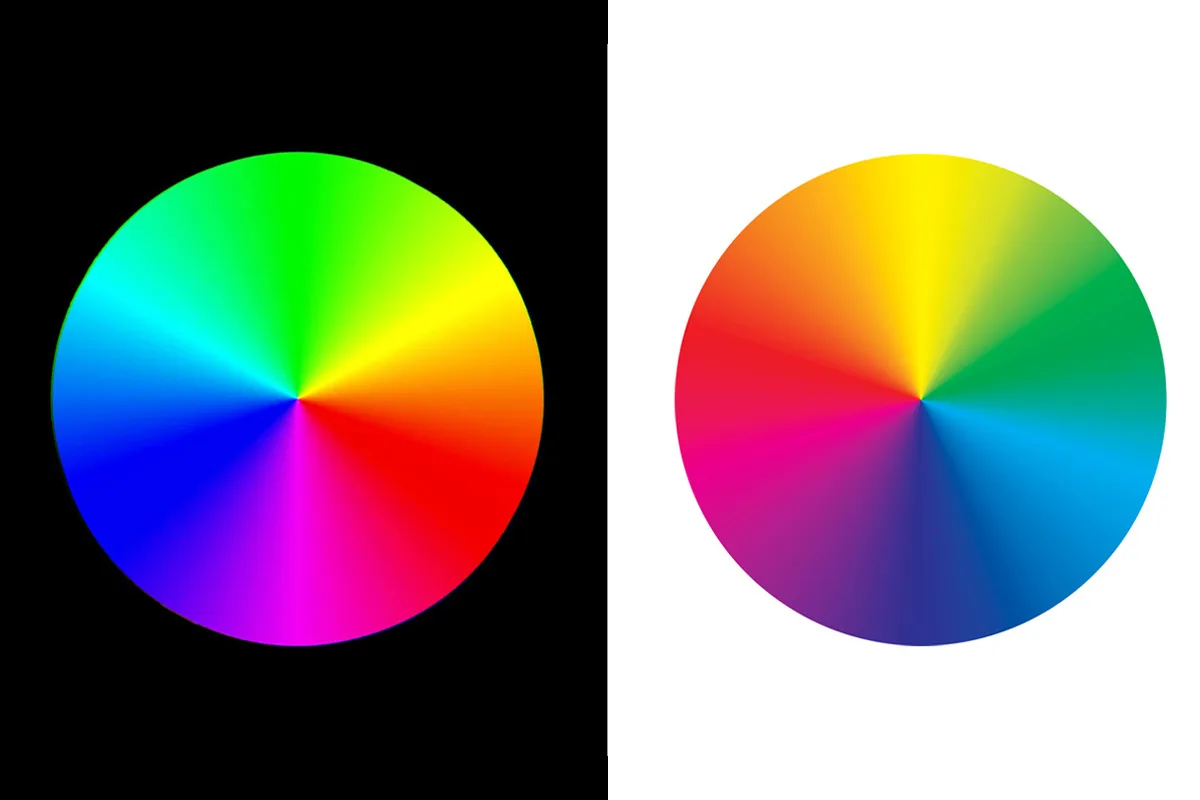
We love rainbows but wish more people understood them. The reason we see rainbows is because we have three types of colour receptors that are most sensitive to long/red, medium/green, and short/blue light wavelengths. When you look at a rainbow, you are seeing those colours and some of the colours that appear when those colours are mixed, including yellow, orange, and cyan.
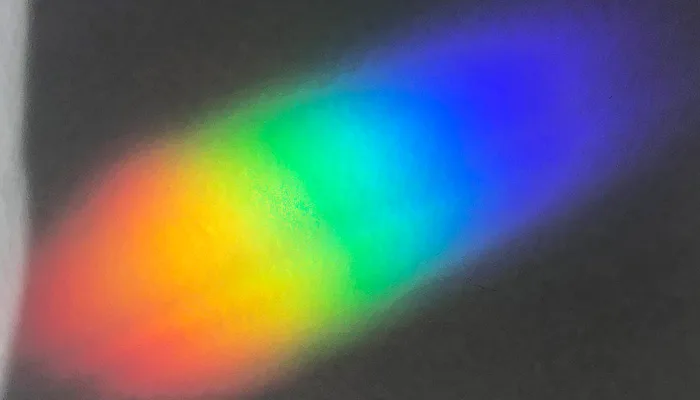
One of the problems with our idea of the rainbow, is some confusion about the colour blue. The word blue is used for so many colours that the definition of the concept of blue isn’t clear. It is also common to lack a clear understanding of the difference between blue and cyan. Cyan is not blue. It does show up in the rainbow though. You can find it nice and bright between green and blue. It looks similar to when you overlap green and blue flashlight beams.
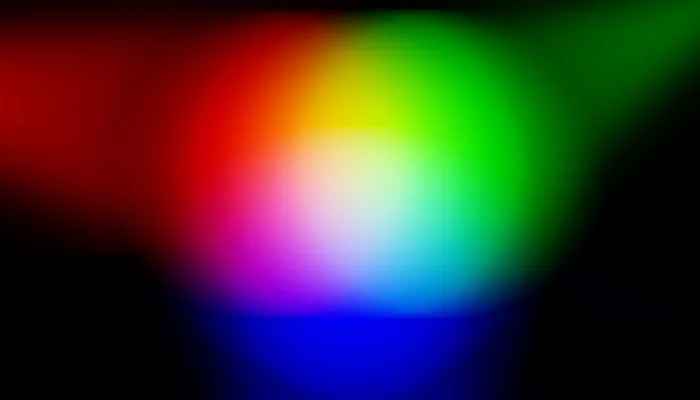
It’s likely that the blue in ROYGBIV (red, orange, yellow, green, blue, indigo, violet) is actually cyan. Indigo is closer to a true blue. Blue is close to violet, and those colours are darker because we have less sensitivity to them. Cyan is brighter because it is blue light mixed with green light and we are quite sensitive to green.
Magenta isn’t in the visible light spectrum but our brains connect the circle by presenting a range of colours, including magenta, pink, and purple between red light and blue light. If you mix a red and blue flashlight, you will find magenta. This is why magenta is a primary colour and needs to be included in colour wheels.
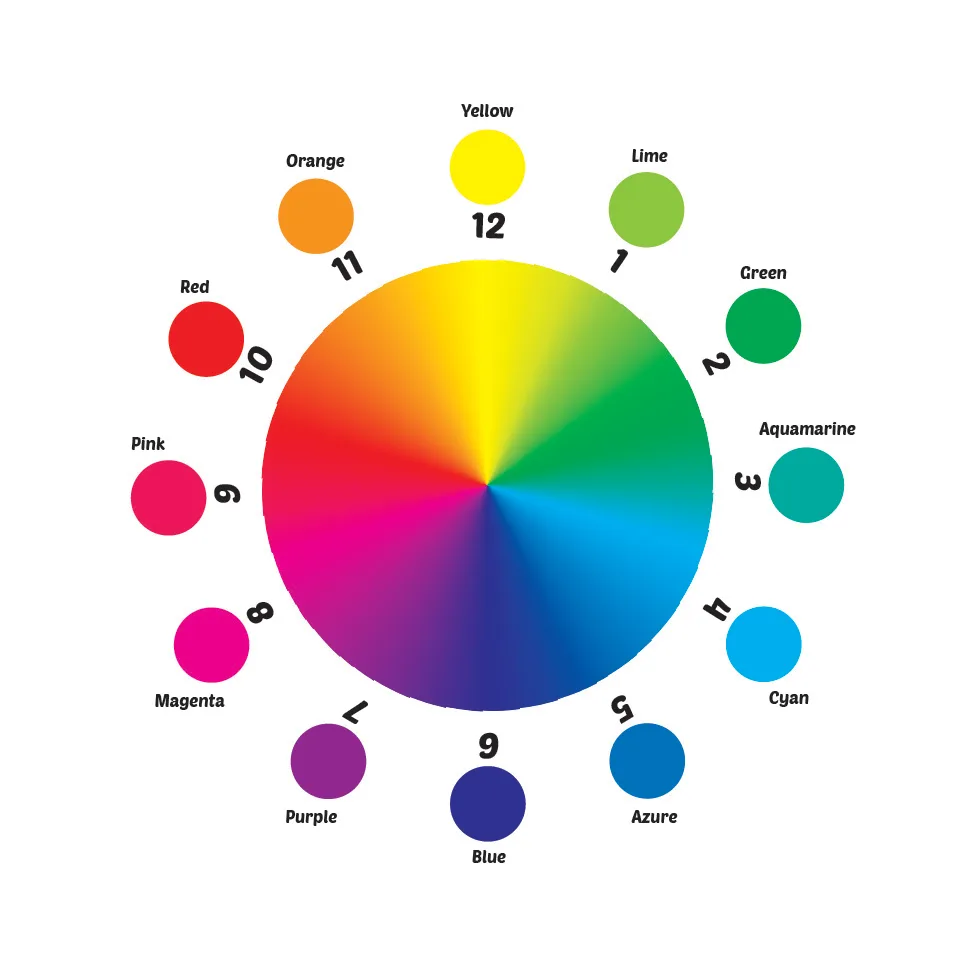
Since there are two sets of primary colours, it makes sense to create two colour wheels. Even though there are lots of great options for coloured materials, the colours appear slightly different if you are looking at lights mixing on a screen, and paint mixing on a canvas. A colour wheel featuring the light set of primary colours (cyan, magenta, and yellow) is great to reference when you are working with coloured materials. A colour wheel featuring the dark set of primary colours (red, green, and blue) is great to work with if you are creating with coloured lights. The colour wheel with the light set of primary colours will have the dark set as secondary colours. The wheel featuring the dark set of primary colours will have the light set as secondary colours.
Please enjoy the latest addition to our video series ‘Catching Colour’ all about colour wheels.