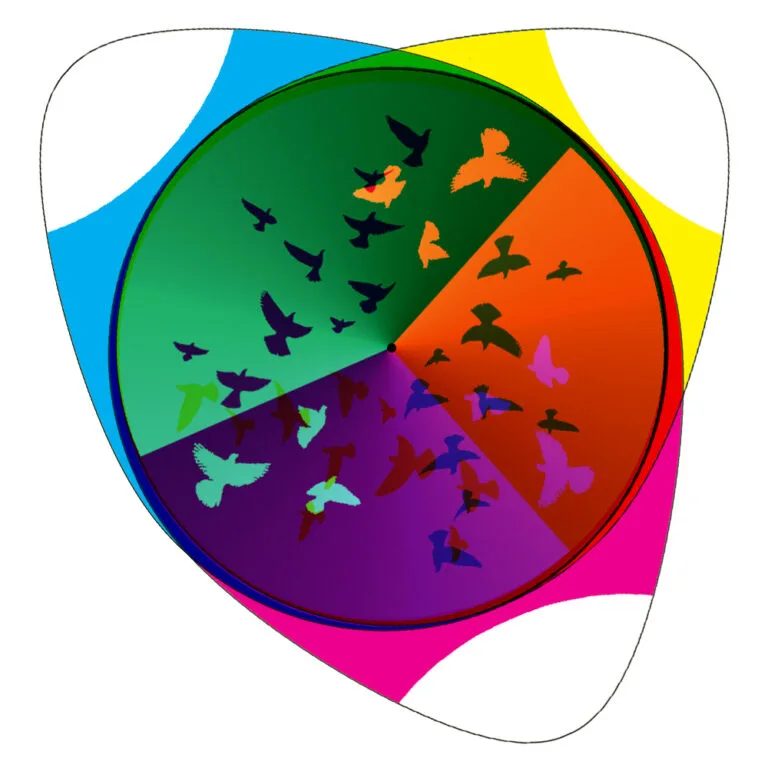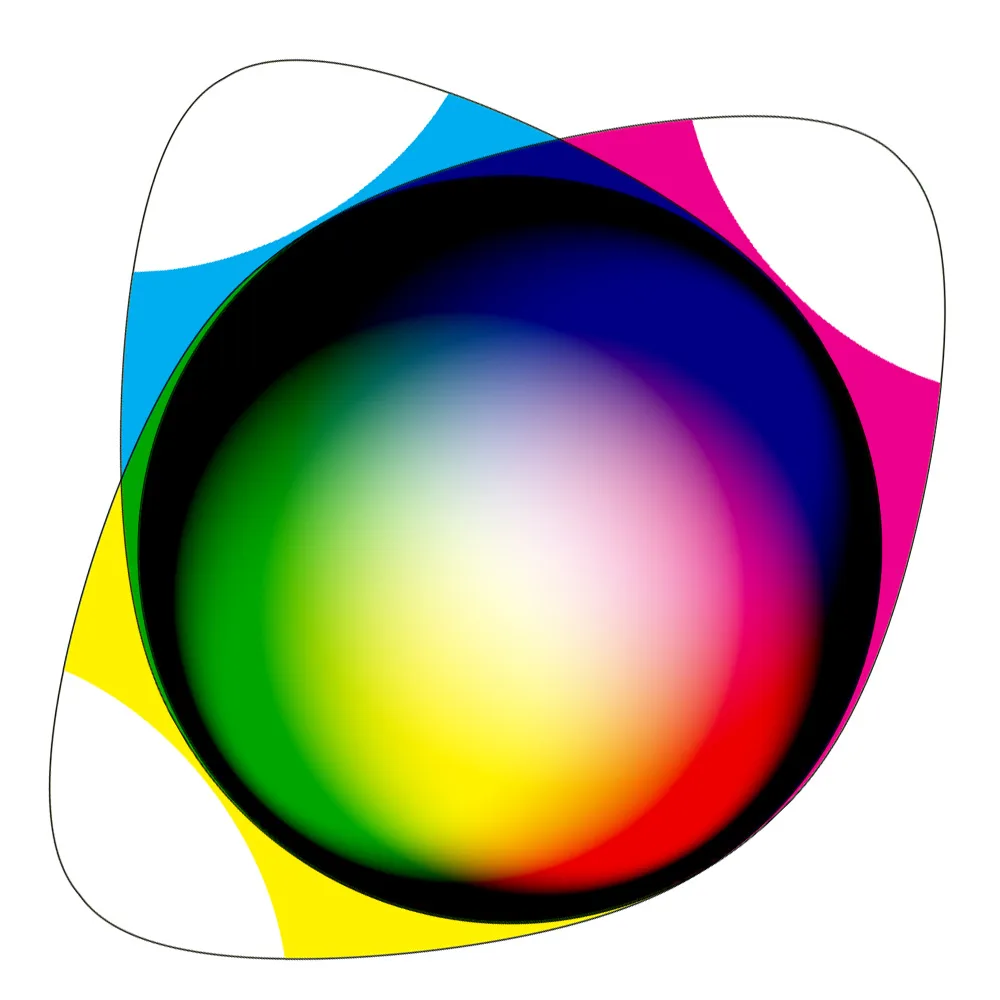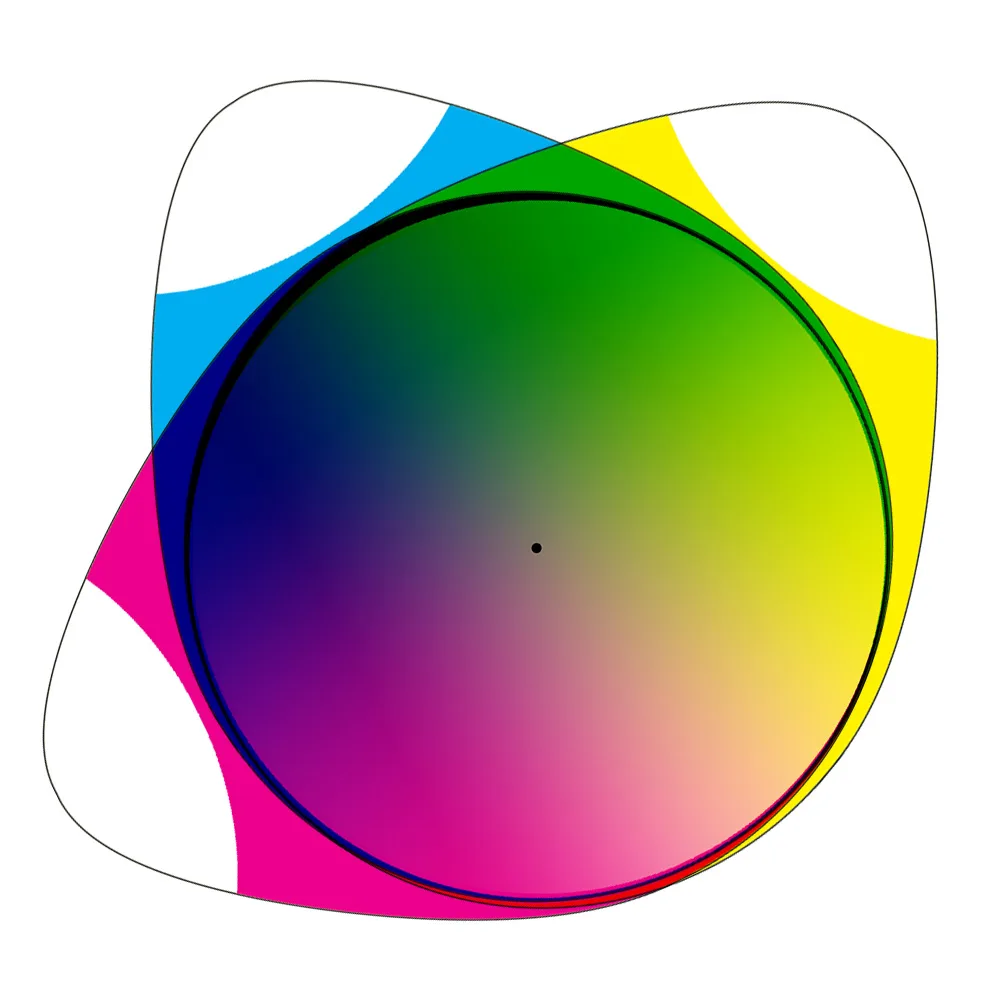
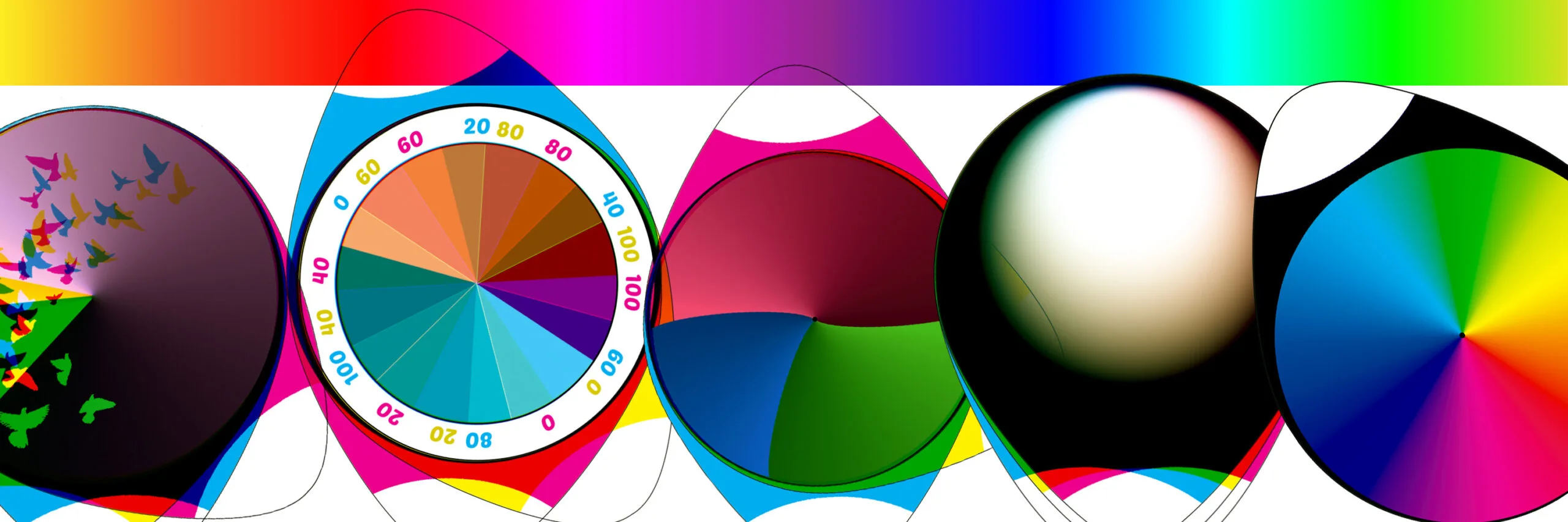
Colourful abstract resin art discs on black surface

DIY Colour Dials

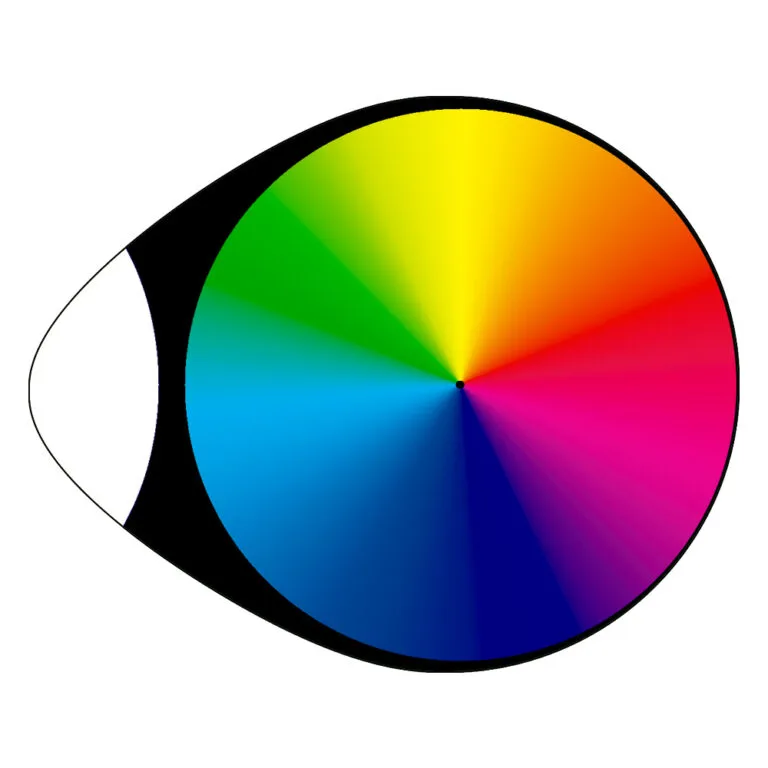
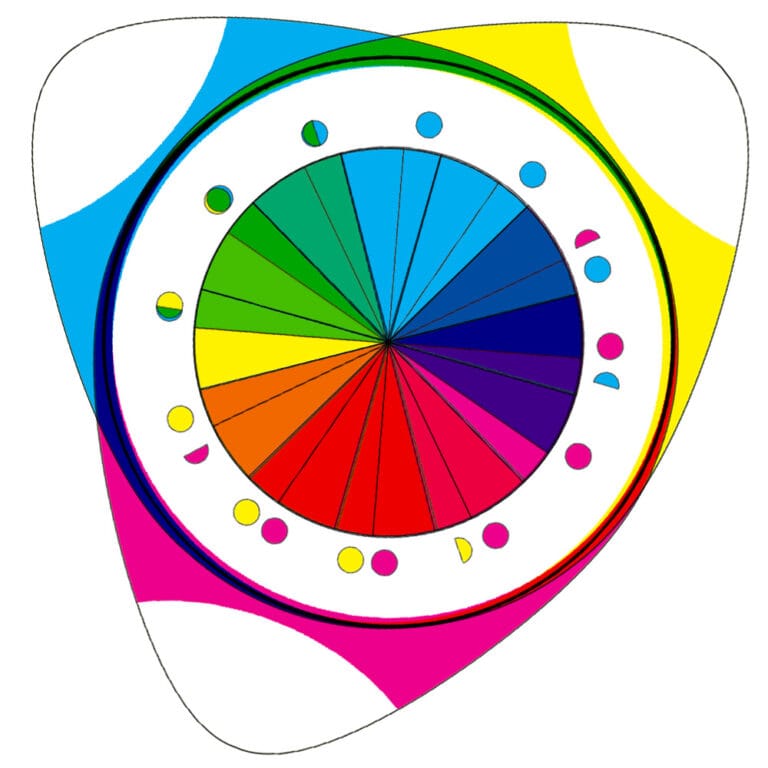
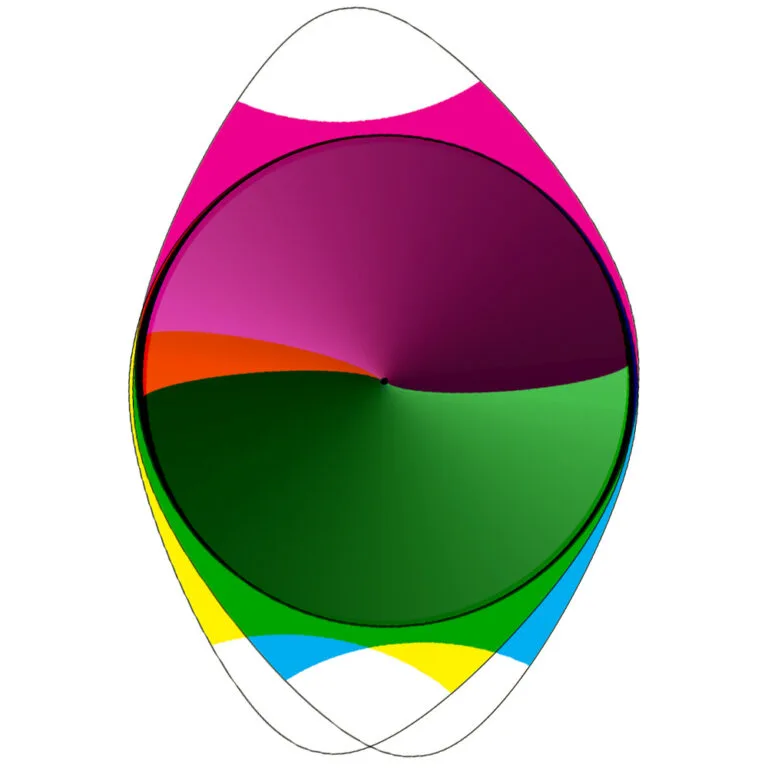
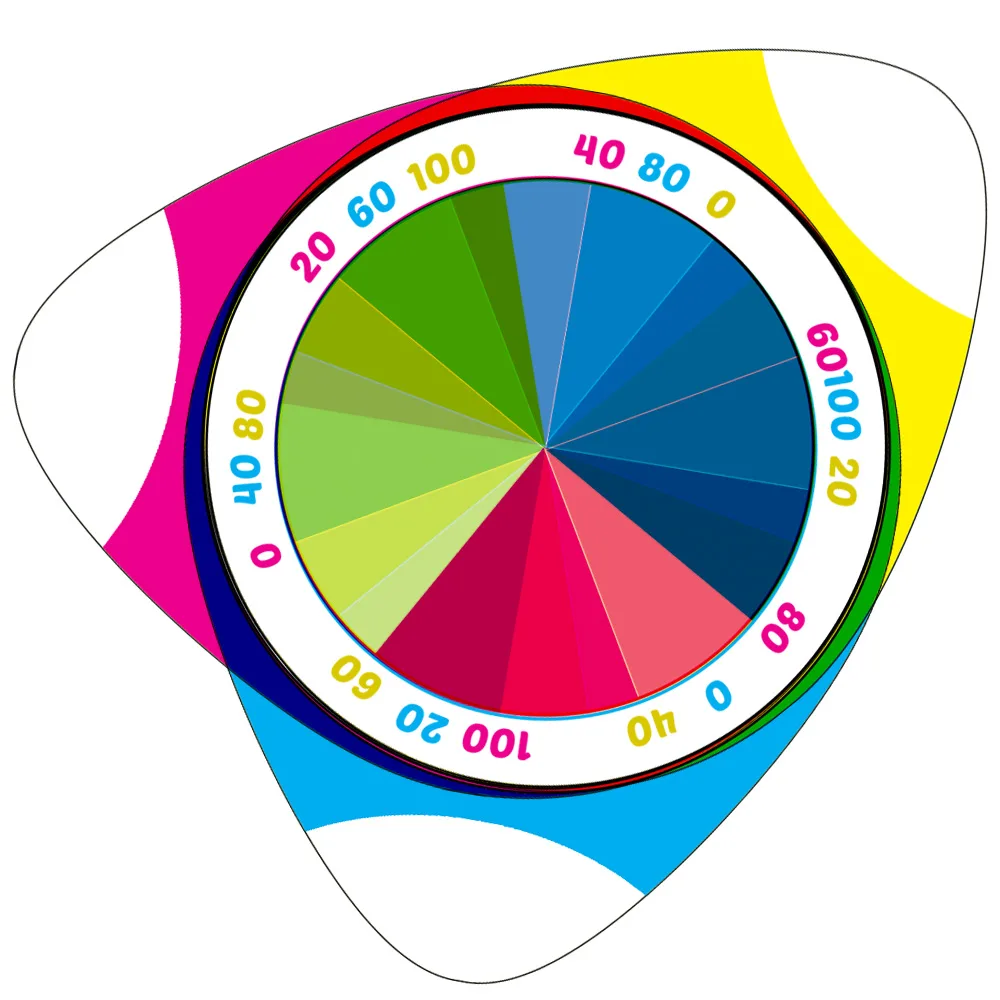
It’s quite easy to make Colour Dials. They are fun toys to enjoy and great tools for teaching colour theory. Kids love them and they are great for class projects. We offer a range of designs that can be printed onto transparency film, but it is also possible to get even more creative and make Colour Dials from found objects and art supplies.

This video shows the process with CMYa! design files. The process is similar if you are creating DIY Colour Dials.

If you don’t have a printer and want to upcycle some plastic containers, you can follow these steps.

Step 1: Find some clear plastic, like lids or tomato containers. If the plastic is quite thick, you might need more than scissors and a sewing needle for the next steps.

Clear plastic container with detached lid

Step 2: Cut out three raindrop shapes from the plastic. They should all be the same size. It can be useful to create a template from a piece of paper to hold onto the plastic to draw and/or cut out the shapes.

Cutting a makeup sponge with scissors

Step 3: Trace a circle or use a circle cutter to cut out a circle from thick white paper that fits the circle portion of the raindrop shapes.

Scissors cutting a penciled circle from paper

Step 4: Trace or draw another circle shape the same size as the circle you cut out, onto a white piece of paper. Draw a square around the circle. Draw diagonal lines from one corner of the square to the opposite corner on both sides of the square. So, draw an X through the circle. Draw a dot at the centre point.

Pencil drawing of square with inscribed circle

Step 5: Place one of the clear plastic raindrop shapes on top of the circle with the centre point dot. Draw a black dot onto the centre point of the raindrop shape.

Pencil sketch of circle within square guidelines

Step 6: Poke a hole through the dot of the raindrop shape with a sewing needle. Use that hole as a guide for where the other holes go on the other shapes. Combine the raindrop shape with the hole with each of the other shapes and add a hole to the other shapes.

Liquid dripping from toothpick through plastic lid
Two needles piercing clear plastic surface

Step 7: Add colour to the raindrop shapes with markers, acrylic paint, or any cyan, magenta, and yellow art materials you have that show up on the plastic. You can see the colours mix if the materials you use are more transparent than opaque. Only add one colour to each of the shapes. There should be one shape with only cyan, one with only magenta, and one with only yellow.

Get creative and experiment with the lines, gradients, patterns, shapes. The easiest way to make a colour wheel is to colour half of the circle part of the raindrop shape with colour. It can help to have a white paper circle behind the raindrop shape to see where the line of the circle is. If the colour is not a material that dries, you can put clear packing tape over the colour to prevent it from rubbing off. You can also cut up pieces of coloured plastic or tissue paper to create a collage.

Markers and paper chromatography colour experiment
Three colourful abstract resin discs on white background

Step 8: Put it all together either with an earring post and earring nut or thick string. Hemp works well. You can feed the string through the holes with a sewing needle and tape one end of it to the back of the thick white paper circle. You can tie a knot at the front to keep everything in place.

Colourful layered gelatin slice with whipped cream
Small beige fibre taped to white surface
Close-up of vinyl record on turntable spindle
Close-up of white ceramic surface with metal screw

Step 9: Spin and play. Use the clear plastic tab portion of the raindrop shape to turn the pieces and watch the colours mix.

Colourful abstract ink art on circular disc
Three colourful abstract circular art pieces on black background